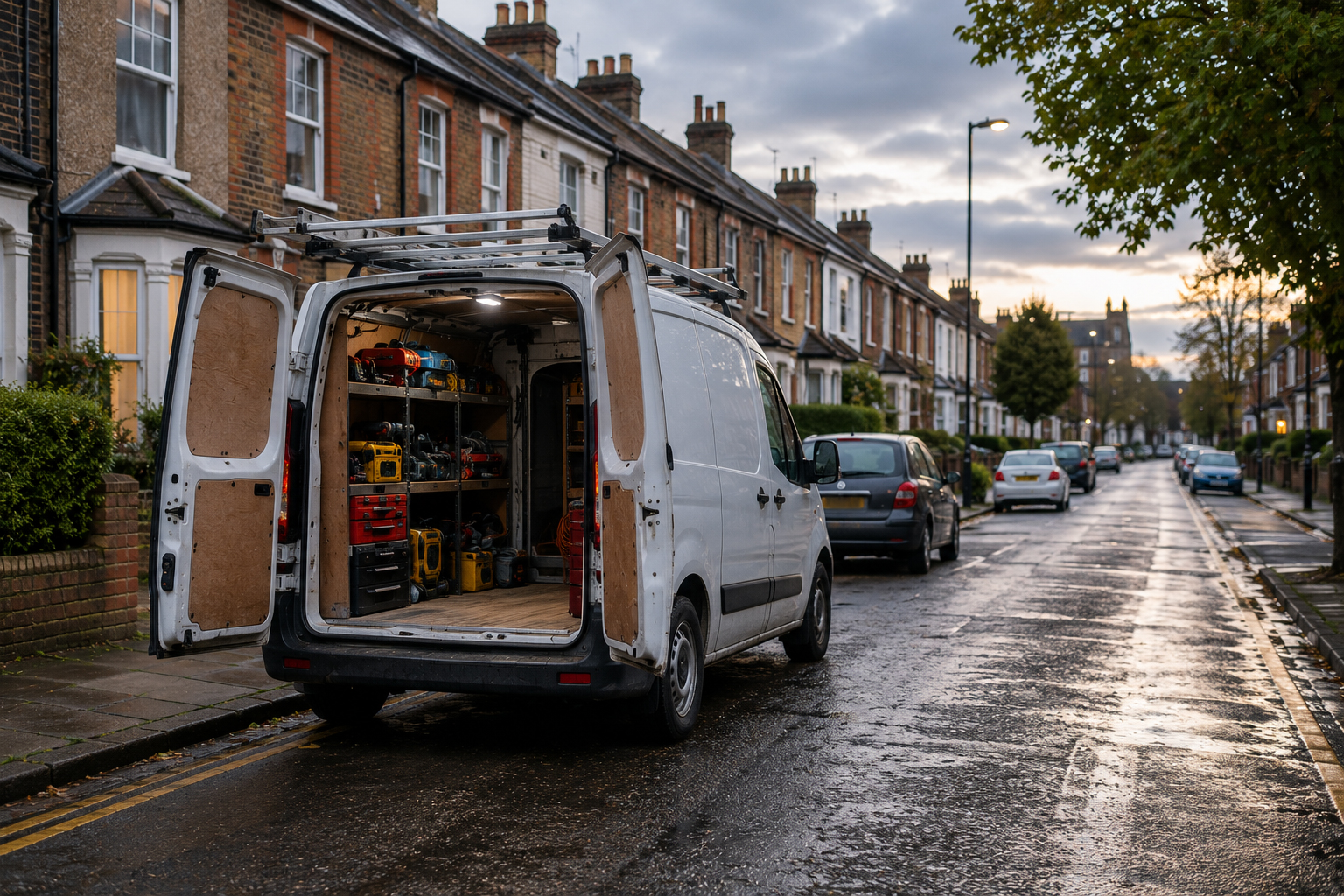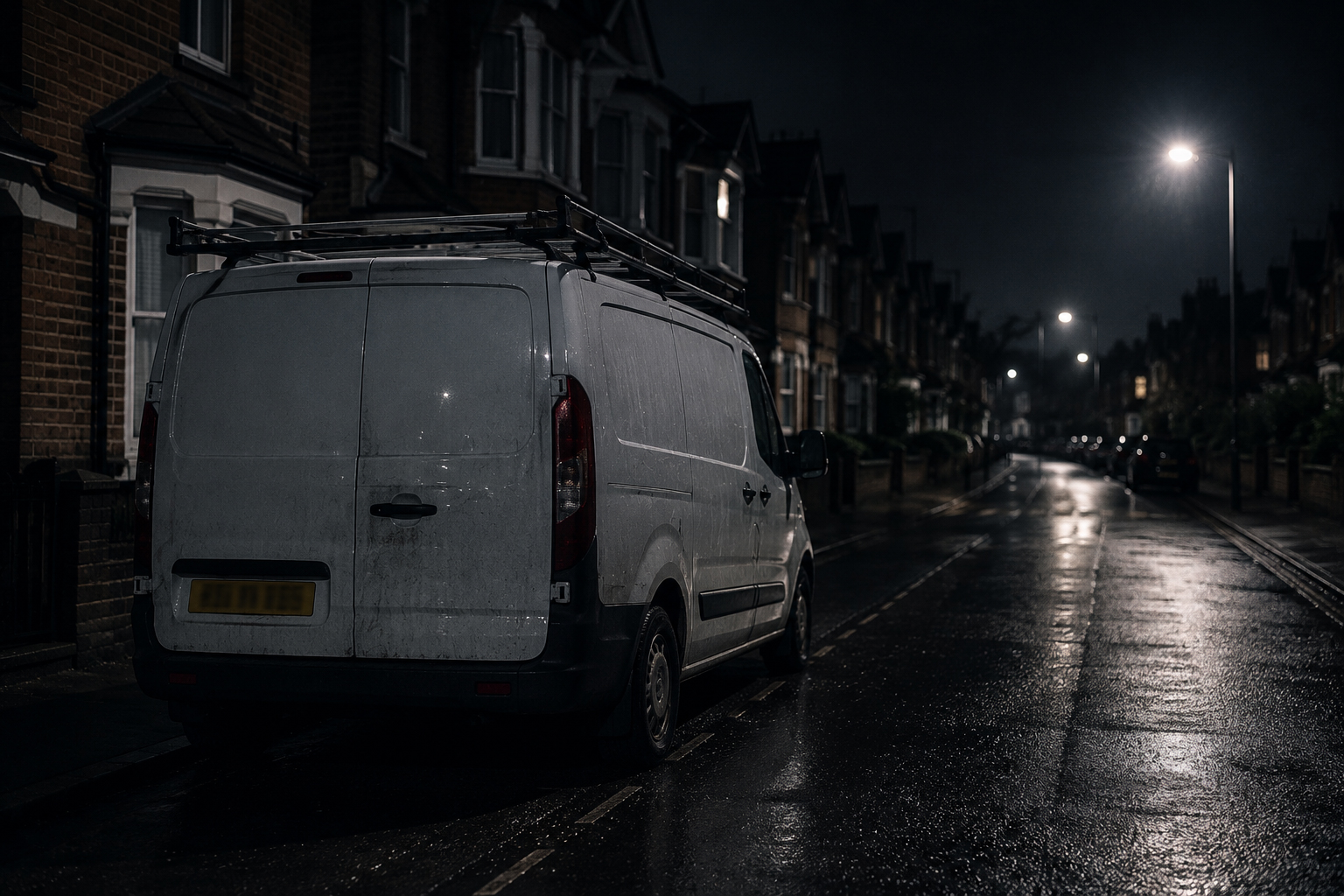


Tool theft from vans has become one of the most persistent crimes affecting tradespeople across the UK. According to Direct Line Business Insurance, more than 44,500 tool thefts were reported in 2023, equating to approximately one theft every 12 minutes. The estimated value of stolen tools exceeded £98 million, highlighting the enormous financial impact on tradespeople and businesses nationwide.
The reality is that no single lock, alarm, or security device can completely eliminate the risk of theft.
The best way to prevent tool theft in vans is through a layered security strategy that combines physical security, behavioural measures, technology, and visible deterrents. Security experts, insurers, police forces, and fleet operators consistently recommend multiple layers of protection because thieves increasingly target the weakest point in a vehicle’s security system.
In this guide, we’ll explore the most effective methods available today and explain why a layered approach delivers the highest level of protection for UK van owners.
Why Van Tool Theft Is Such a Growing Problem

Professional thieves have become increasingly sophisticated.
Modern criminals don’t simply smash windows and grab tools. Many now:
• Use electronic attack methods
• Target vulnerable locks
• Exploit known weaknesses in specific van models
• Follow tradespeople from suppliers
• Scout construction sites
• Use social media to identify potential targets
• Work in organised groups
Many thefts can occur in under 60 seconds.
The attractiveness of tools to criminals is obvious:
• High resale value
• Difficult to trace
• Strong demand in secondary markets
• Easy transportation
• Limited identification markings
Power tools from brands such as Milwaukee, DeWalt, Makita, Bosch Professional and Festool are particularly attractive due to their resale value.
The True Cost of Tool Theft
Most people focus on the value of the stolen tools, however, the real cost often extends much further.
A single theft can result in:
Lost Income
Many tradespeople cannot work immediately after a theft.
Cancelled jobs often mean:
• Lost daily earnings
• Delayed projects
• Reduced customer satisfaction
• Damage to reputation
Vehicle Repairs
A break-in frequently causes damage to:
• Door locks
• Side doors
• Rear doors
• Windows
• Body panel
Repair bills can easily exceed hundreds or thousands of pounds.
Insurance Excesses
Even when insured, tradespeople often face:
• Excess payments
• Increased premiums
• Reduced no-claims discounts
Business Disruption
A theft affects more than tools.
It can impact:
• Scheduling
• Staffing
• Customer relationships
• Cash flow
• Project deadlines
For many sole traders, even one theft can create significant financial strain.
Why Single Security Measures Often Fail
One of the biggest misconceptions is believing one product can completely prevent theft.
For example:
• A lock alone can be attacked.
• An alarm alone can be ignored.
• A tracker only helps after theft.
• A camera doesn’t physically stop entry.
Professional thieves actively look for vulnerabilities, if your security relies on one defence, that defence becomes the target.
This is why security professionals advocate a layered approach.
Understanding the Layered Security Approach
Think of van security like protecting a house.
Most homeowners use:
• Strong doors
• Window locks
• Alarm systems
• Cameras
• Exterior lighting
• Neighbourhood awareness
Van security works the same way.
Each layer makes theft more difficult, more time-consuming, and more risky for criminals.
The goal is simple: Make your van harder to steal from than the next one.
The Layered Approach to Van Tool Theft Prevention
When it comes to van tool theft prevention, the biggest mistake tradespeople make is looking for a single solution.
The reality is that no lock, alarm, camera or security device can completely eliminate the risk of theft on its own. The most effective protection comes from creating multiple layers of security that work together to make your van a less attractive target.
Professional security experts often refer to this as a layered security approach — a strategy that combines good habits, visible deterrents, smart technology and financial protection.
Layer 1: Remove Tools Whenever Possible
The most effective van tool theft prevention measure is also the simplest.
Whenever practical, remove your tools from the van overnight.
Many thieves target vans because they assume valuable equipment is stored inside. If your tools are safely stored elsewhere, the financial impact of a break-in can be dramatically reduced.
While it isn’t always practical to unload every tool at the end of a long working day, removing your most valuable equipment can significantly reduce your exposure to loss.
Layer 2: Don’t Advertise What You Carry
Many tradespeople unknowingly make themselves a target.
Posting photos of expensive tool collections, new power tools or fully stocked van setups on social media can provide criminals with valuable information. Likewise, discussing where your van is parked or sharing details about high-value equipment may attract unwanted attention.
A key part of van tool theft prevention is limiting the information available to potential thieves.
The less criminals know about what you carry on your van, the better.
Layer 3: Make Security Visible
Criminals are constantly looking for easy opportunities.
Clearly displaying security warnings, anti-theft notices, tracking stickers and other deterrent signage can encourage thieves to move on and look for a less protected vehicle.
Visible security measures increase uncertainty and make criminals question whether the risk is worth taking.
Sometimes the perception of security is enough to prevent an attempted break-in altogether.
Layer 4: Mark and Register Your Tools
If stolen tools become difficult to sell, they become less attractive to thieves.
Registering your equipment, recording serial numbers and using visible asset-marking systems can all help reduce the appeal of stolen tools on the secondary market.
You should maintain a record of:
• Tool serial numbers
• Purchase receipts
• Product photographs
• Asset registration details
This information can help support police investigations, improve recovery chances and simplify insurance claims.
Layer 5: Park Smart
Where you park your van can have a major impact on your risk of becoming a victim.
Whenever possible:
• Park in well-lit locations
• Position side and rear doors against walls or obstacles
• Use driveways rather than roadsides
• Choose monitored or secure parking facilities
• Avoid isolated locations overnight
Thieves prefer privacy, darkness and easy access. Smart parking removes many of those advantages.
Layer 6: Add The Van Eye as Your Active Deterrent Layer
Even when following best practice, many tradespeople still worry about criminals targeting their van overnight.
The problem is simple: from the outside, a thief has no way of knowing whether valuable tools are inside.
This is where The Van Eye becomes a powerful part of a modern van tool theft prevention strategy.
Unlike traditional security products that focus purely on preventing entry, The Van Eye helps communicate a simple message to anyone looking into the vehicle: there is nothing worth stealing.
By providing a clear, illuminated view of the van’s interior, The Van Eye allows would-be thieves to see that tools have been removed and that the vehicle has been secured responsibly.
For tradespeople already following best practice by taking their tools inside overnight, this visibility can be a significant advantage.
Instead of forcing criminals to break in to find out what’s inside, The Van Eye helps remove the uncertainty that often drives opportunistic theft attempts.
A thief looking for a quick and profitable target is far more likely to move on if they can clearly see an empty van than if they are left guessing.
Combined with security signage, good parking habits and proper tool removal, The Van Eye becomes a highly effective deterrent layer within your overall security strategy.
Layer 7: Protect Yourself with Tool Theft Insurance
Even the best security measures cannot eliminate every risk.
That is why insurance should always form the final layer of your van tool theft prevention plan.
A suitable insurance policy can help reduce the financial impact of:
• Stolen tools
• Vehicle damage
• Business interruption
• Replacement equipment costs
Before purchasing cover, always check policy limits, overnight storage requirements and security conditions to ensure you have the protection your business needs.
Effective Van Tool Theft Prevention Requires Multiple Layers
The most successful van security strategy isn’t about relying on a single product or device.
It’s about combining sensible habits, visible deterrents, smart security measures and financial protection into one cohesive system.
Remove tools whenever possible. Avoid advertising valuable equipment. Mark and register your tools. Park intelligently. Make security visible.
Then strengthen those measures with The Van Eye, providing clear visibility inside the vehicle and helping potential thieves quickly realise there is nothing worth stealing.
Together, these layers create a powerful van tool theft prevention strategy that can reduce risk, discourage opportunistic criminals and help protect your livelihood.