


For many years, van security has followed the same basic principle: respond when something goes wrong. Whether it’s alarms sounding after a door is opened, reinforced locks slowing down entry, or tracking systems helping recover stolen items, most solutions are designed to act once a break-in is already underway.
While these systems can play an important role, they all share the same limitation. By the time they are activated, the decision to break in has already been made. In many cases, the damage to the vehicle is unavoidable, regardless of whether anything is actually taken.
This has led to a shift in thinking around van security. Rather than focusing solely on reacting to theft, there is growing interest in preventing it altogether. The key question is no longer just how to stop someone getting in, but how to stop them trying in the first place.
One of the main drivers behind opportunistic van crime is uncertainty. From the outside, it is often impossible to tell what a van contains. This lack of visibility can work in favour of a potential thief. If there is a chance that valuable tools are inside, it may be enough to justify the risk.
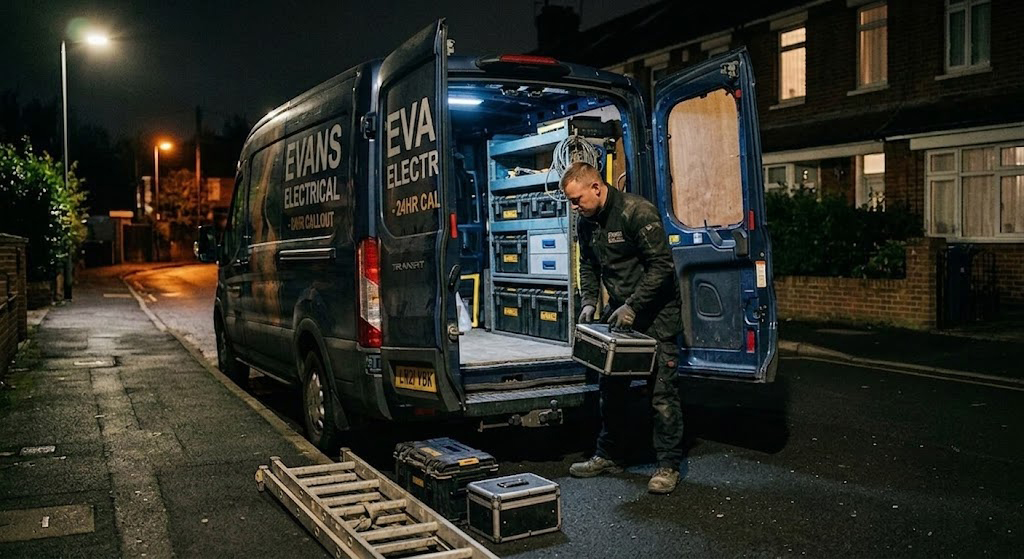
Addressing this uncertainty changes the dynamic completely. When the contents of a van are clearly visible, particularly in low-light conditions, it becomes much easier to remove the temptation. If there is nothing worth taking, the decision to move on becomes far more likely.
This is where newer approaches to van security are beginning to emerge. Instead of relying purely on physical barriers or reactive systems, they focus on influencing behaviour before any attempt is made. By making it obvious what is inside a van, they reduce the need for guesswork and, in turn, reduce the likelihood of a break-in.
Practicality also plays an important role in this shift. Solutions that are simple to install, require minimal maintenance, and operate automatically are more likely to be used consistently. In a working environment where time is limited, ease of use is just as important as effectiveness.
Ultimately, the goal of van security is not just to protect what’s inside, but to avoid disruption altogether. Preventing a break-in removes the need for repairs, replacements, and time off the road. It keeps work moving and reduces unnecessary cost and stress.
As van crime continues to affect tradespeople across the UK, it is clear that traditional approaches alone are not enough. A preventative mindset offers a different way forward, one that focuses on stopping the problem before it begins rather than dealing with the consequences afterwards.
Because when it comes to protecting your van, the best outcome is simple.
Nothing happens at all.