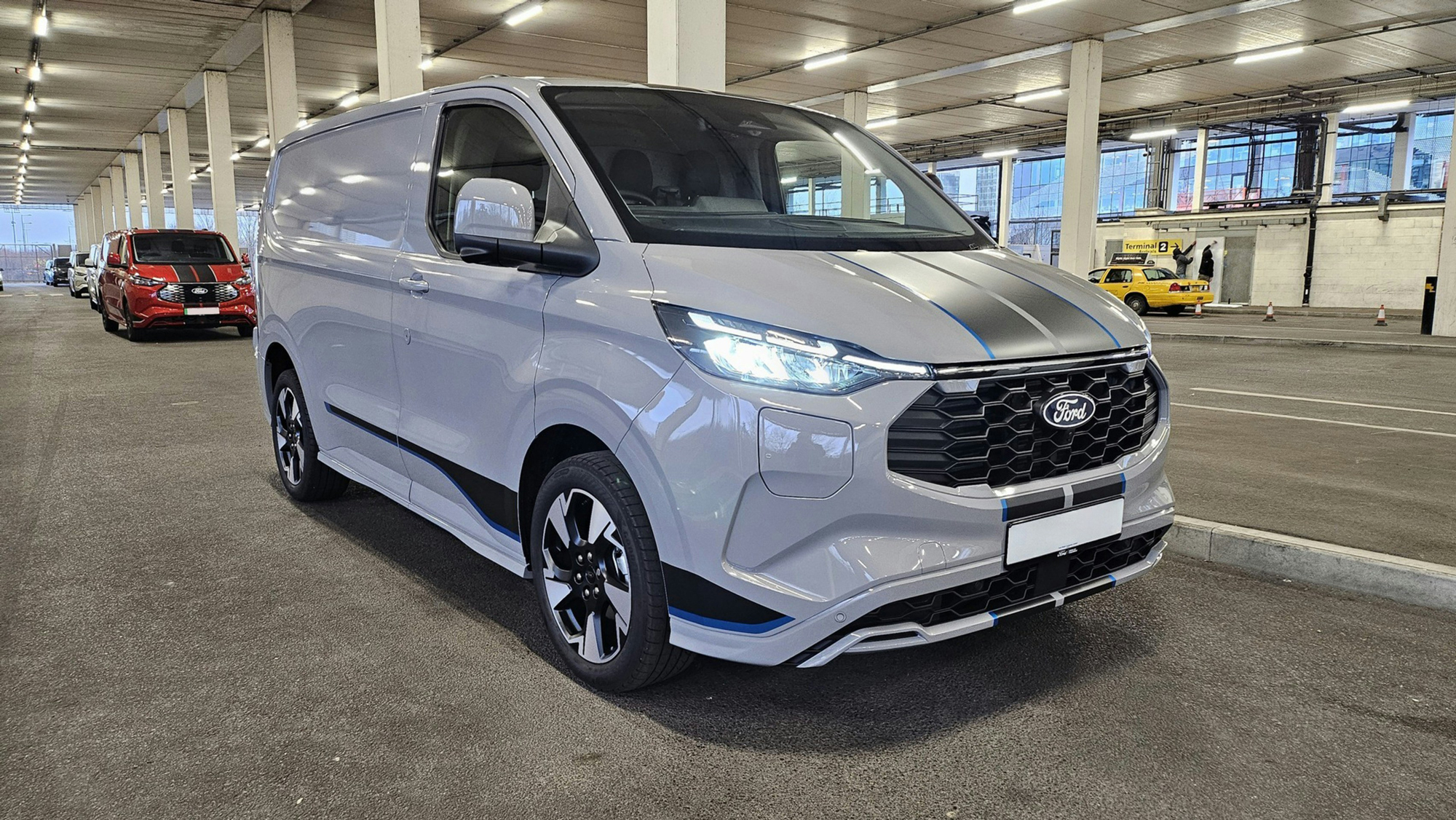


Electric vans have moved from a niche option to a serious consideration for tradespeople across the UK. With manufacturers investing heavily in electric vehicle technology, 2026 is shaping up to be a key moment in the transition.
But while the technology has improved, the question remains for many van owners. Are electric vans actually worth it yet?
Improving Range and Performance
One of the biggest barriers to electric van adoption has always been range. Recent models have made significant progress, with many now offering ranges that are suitable for a full working day. Improvements in battery technology mean fewer compromises for tradespeople who need to travel between multiple jobs.
For those working locally or within a fixed area, range is becoming less of a concern than it once was. However, for longer journeys or more unpredictable schedules, range limitations can still be a factor.
Charging Infrastructure Is Catching Up
Charging infrastructure has also improved across the UK.
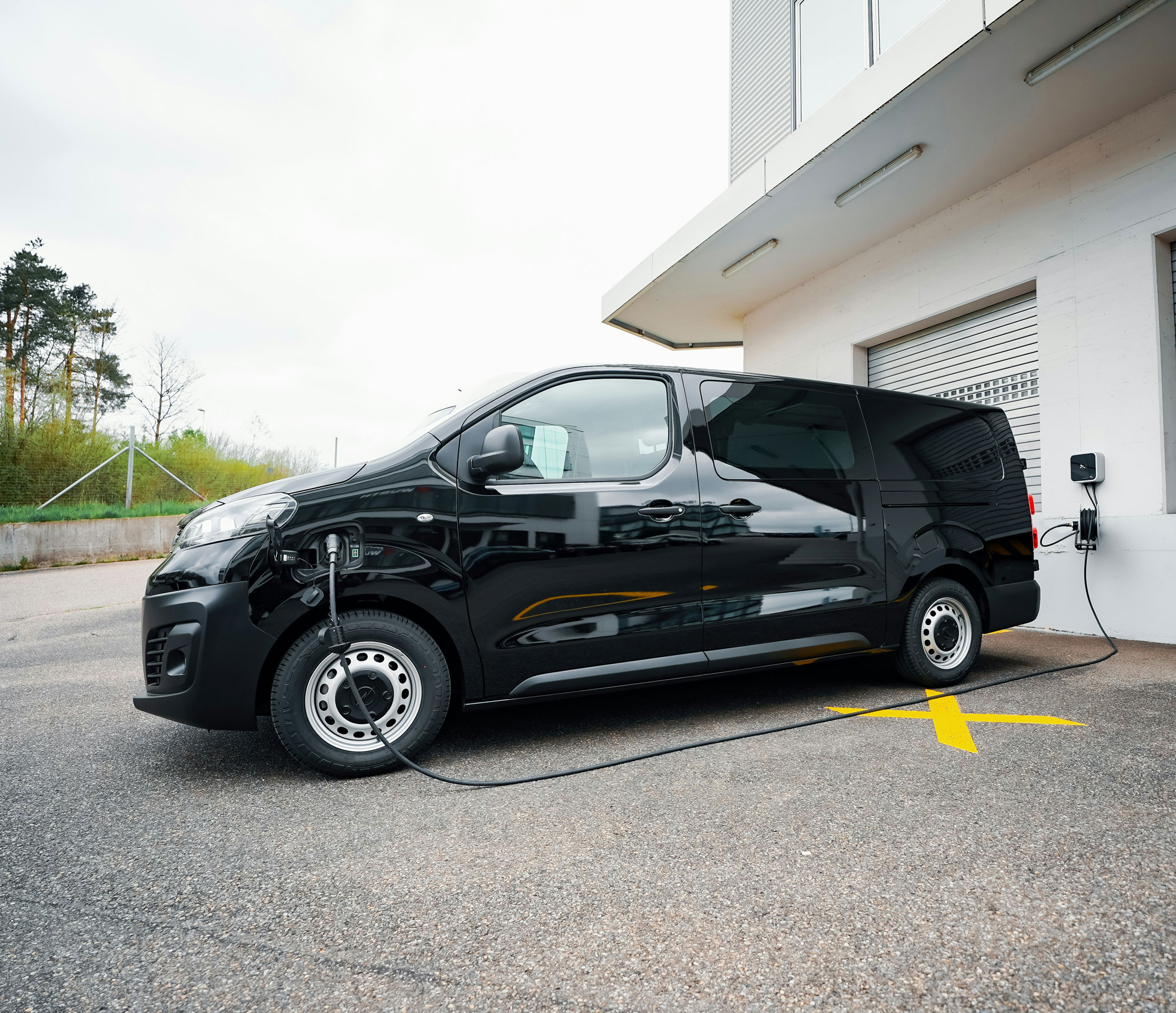
Public charging points are becoming more widely available, and home or depot charging solutions are increasingly common. Faster charging times are helping reduce downtime, making electric vans more practical for everyday use.
That said, access to reliable charging can still vary depending on location. Tradespeople who rely on street parking or travel to remote areas may face additional challenges.
Cost vs Diesel
The cost of switching to an electric van is another key consideration.
Upfront purchase prices are often higher than diesel alternatives. However, lower running costs, reduced fuel expenses and potential tax benefits can help offset this over time. Maintenance costs are also typically lower, as electric vehicles have fewer moving parts. For some businesses, the long-term savings make electric vans an attractive option. For others, the initial investment may still be a barrier.
Pros and Cons for Tradespeople
Electric vans offer several clear advantages:
• Lower running costs
• Reduced emissions
• Quieter operation
• Access to low-emission zones
But there are also limitations to consider:
• Higher upfront cost
• Charging access and time
• Range concerns for longer journeys
• Payload differences in some models
The suitability of an electric van often depends on how and where it is used.
Right for Some Jobs, Not All
For tradespeople working in urban areas or covering shorter distances, electric vans are becoming an increasingly practical choice. They are well suited to predictable routes, regular schedules and environments where charging is easily accessible.
However, for those working across wider regions, carrying heavy loads or relying on long, unpredictable journeys, diesel vans may still offer greater flexibility.
Final Thought
Electric vans have come a long way, and for many tradespeople, they are now a viable option.
But they are not a one-size-fits-all solution.
As the technology continues to improve, adoption will likely increase. For now, the decision comes down to individual needs, working patterns and practical considerations.
Electric vans are improving, but they are not perfect for everyone.