


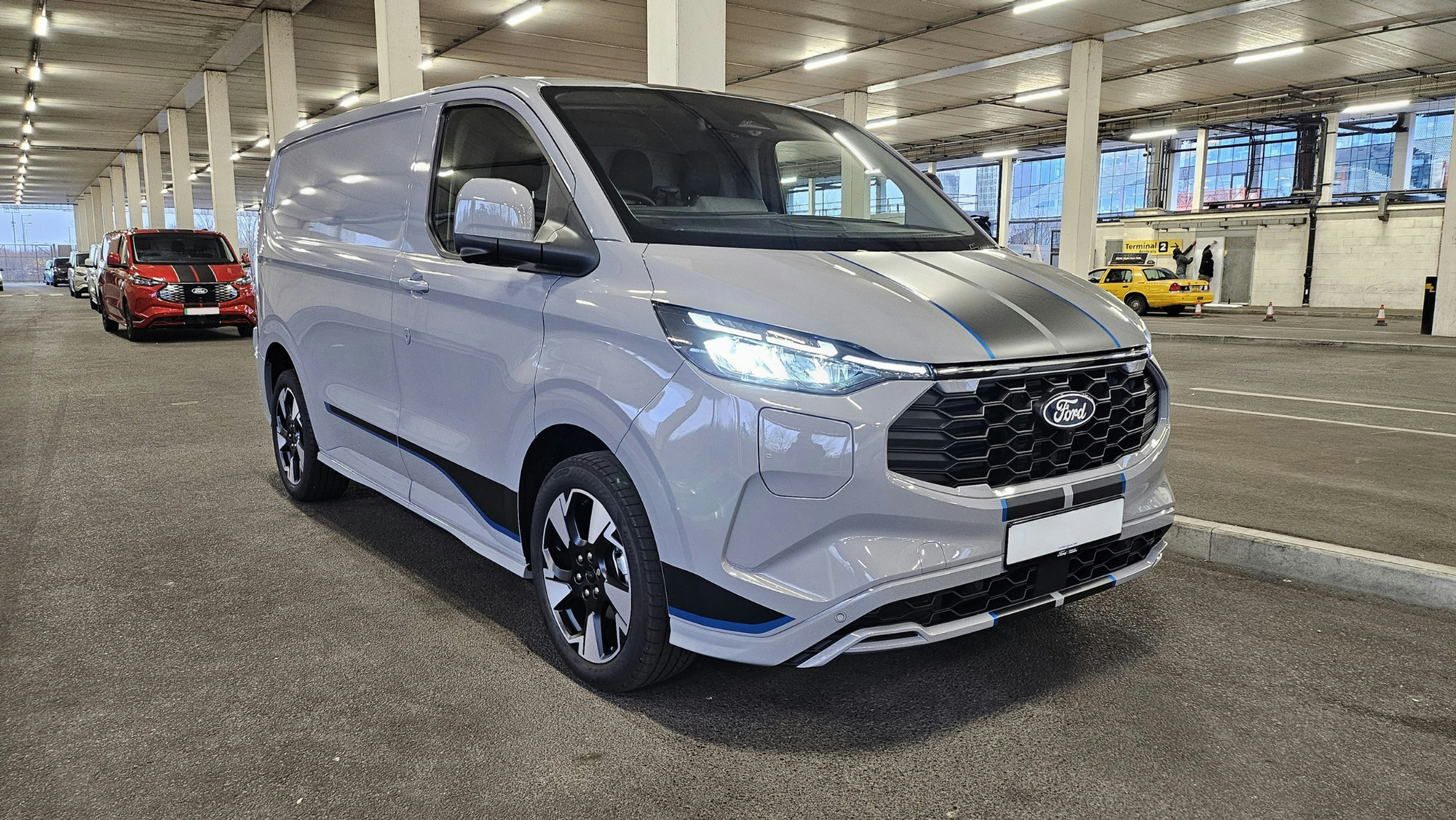
The van market has seen significant innovation in recent years. As we move through 2026, manufacturers are continuing to introduce smarter, more connected vehicles designed to improve efficiency, comfort and usability for tradespeople.
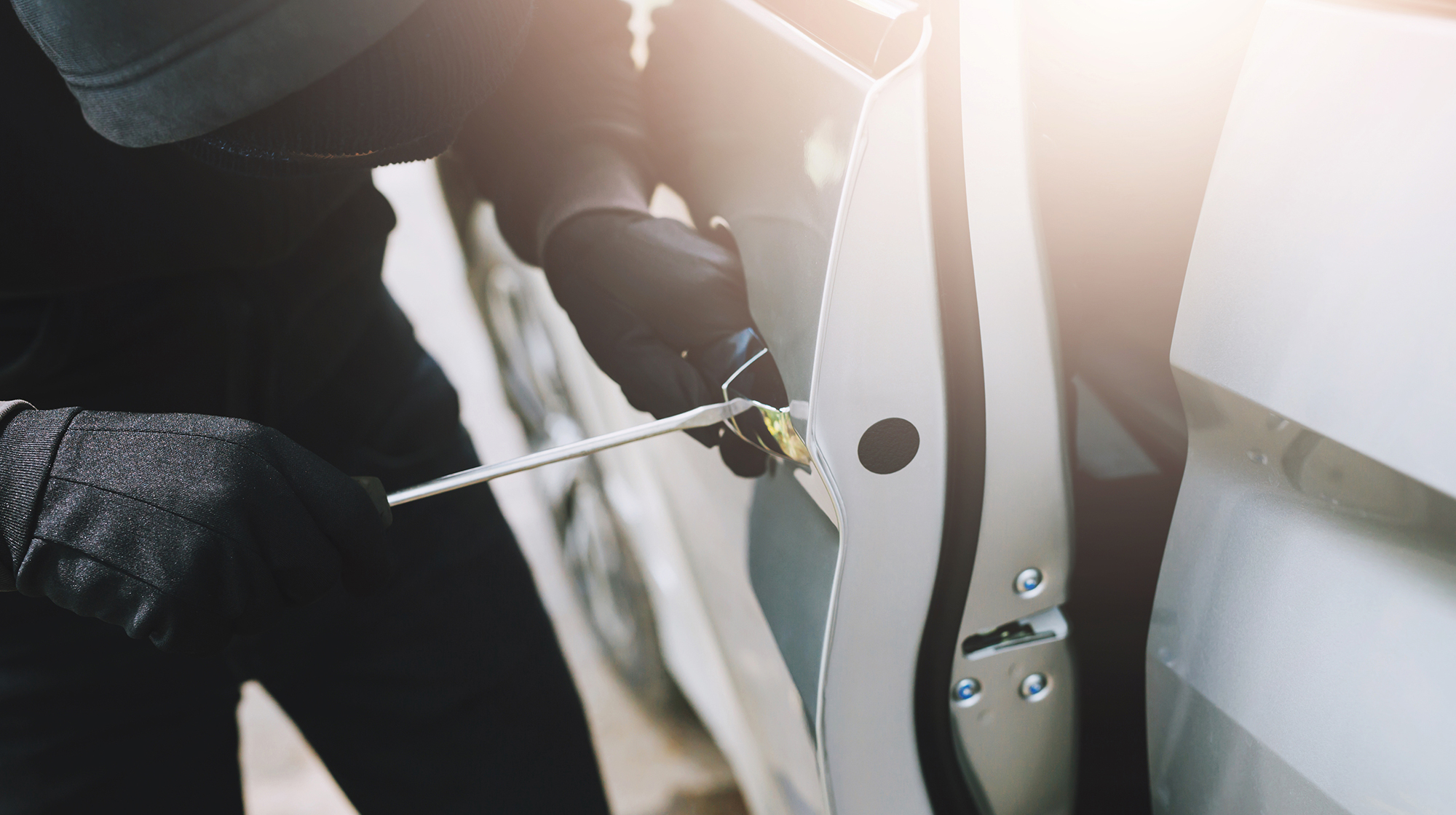
However, while vans are becoming more advanced, an important question remains. Are they actually becoming more secure?
Smarter Vans, Better Features
Modern vans now come equipped with a wide range of technology that would have been unthinkable just a few years ago.
Digital dashboards, integrated navigation systems and improved connectivity are now common features. Many vans offer app-based controls, advanced driver assistance systems and improved cabin design, making them more comfortable and practical for daily use.
Electric vans are also becoming more prominent, with increased range and better charging infrastructure making them a viable option for more trades.
From a usability perspective, vans have never been better.
Improved Interiors and Practicality
Inside the van, there have also been noticeable improvements.
Manufacturers are placing greater emphasis on storage solutions, accessibility and workspace design. Built-in shelving options, smarter layouts and more refined interiors are helping tradespeople work more efficiently on the move.
These changes reflect how central vans are to modern trades. For many, the van is not just transport, but a fully functioning workspace.
But What About Security?
Despite these advancements, security has not evolved at the same pace.
While many vans now include central locking, immobilisers and alarm systems as standard, these features largely focus on reacting to threats rather than preventing them.
In most cases, the contents of a van remain completely hidden from view. From the outside, it is impossible to tell whether the vehicle is empty or carrying thousands of pounds worth of tools.
This lack of visibility creates uncertainty, and that uncertainty can increase risk.
The Missing Piece: Visibility
One of the most overlooked aspects of van security is visibility.
If a potential thief cannot see inside a van, they are left to guess what might be inside. For many, that guess is enough to justify taking the risk.
Modern vans may be smarter and more connected, but they still rely on traditional approaches to security. Locks, alarms and tracking systems all have their place, but they do not address the initial decision to break in.
Visibility has the potential to change that.
By allowing the contents of a van to be seen clearly, particularly in low-light conditions, it becomes much easier to remove the uncertainty that drives opportunistic theft.
A Shift in Thinking
As van technology continues to develop, there is an opportunity to rethink how security is approached.
Rather than focusing solely on protection after a break-in attempt has begun, there is growing value in preventing that attempt from happening in the first place.
For many tradespeople, the most effective solution may not be adding more layers of complexity, but addressing the root cause of the problem.
Final Thought
Vans in 2026 are smarter, more efficient and better equipped than ever before.
But when it comes to security, there is still a gap.
Until that gap is addressed, vans may continue to improve in every area except the one that matters most when it comes to protecting what’s inside.
Because smarter does not always mean safer.